
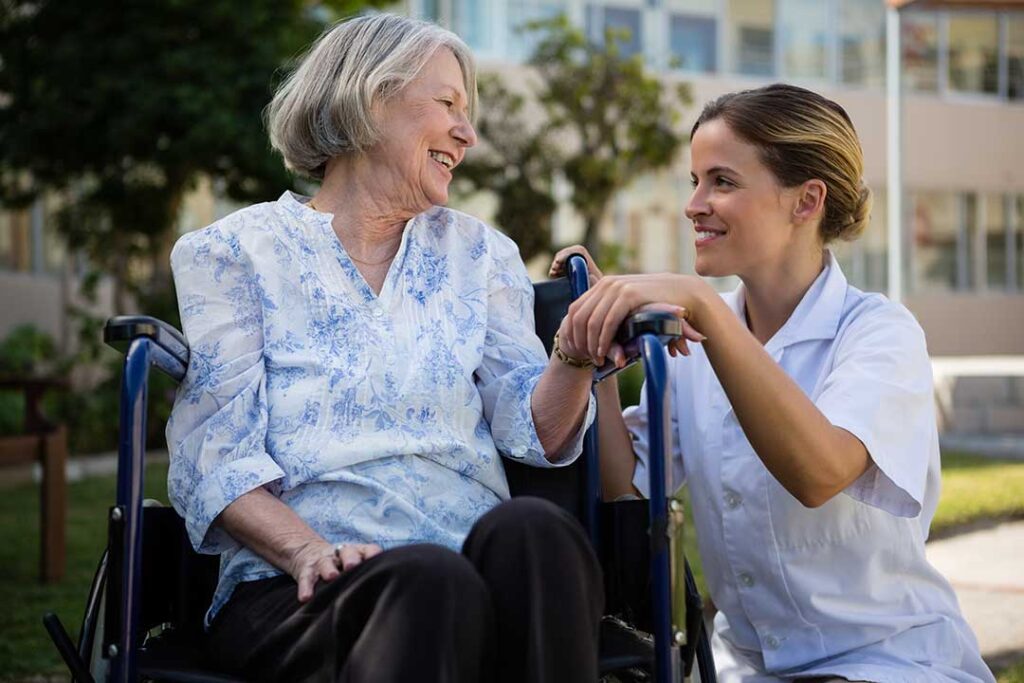
Caregiver guilt can arise even when a person is providing thoughtful, reliable support. Family caregivers may feel guilty for needing a break, becoming frustrated, spending time away, considering assisted living, or being unable to prevent a loved one’s illness or decline.
These feelings do not automatically mean someone is failing. Guilt is often a sign that caregiving responsibilities, expectations, and personal limits have become difficult to balance.
Why do caregivers feel guilty?
Caregivers often believe they should be able to manage everything alone. That belief can become especially strong when the person receiving care is a parent, spouse, or close relative.
Common thoughts include:
- “I should be doing more.”
- “I should be more patient.”
- “No one else will provide care as well as I do.”
- “I should not enjoy myself while my loved one is struggling.”
- “If I take a break, something bad may happen.”
- “Considering assisted living means I am abandoning my family member.”
Caregiving guilt may also follow ordinary moments of frustration. Helping with bathing, meals, medications, transportation, or repeated questions can be physically and emotionally tiring. Feeling annoyed does not mean a caregiver lacks love. It means the situation is demanding.
The National Institute on Aging identifies guilt, sadness, frustration, exhaustion, anxiety, sleep problems, and loneliness as common signs of caregiver stress. ([nia.nih.gov](https://www.nia.nih.gov/health/caregiving/taking-care-yourself-tips-caregivers?utm_source=openai))
How can guilt be separated from actual responsibility?
A useful first step is to ask whether the guilt reflects a real mistake or an impossible standard.
For example, forgetting an important medication instruction may require corrective action and a conversation with a healthcare professional. But feeling guilty because a loved one needs more care than one person can safely provide is not proof of wrongdoing.
Try dividing the situation into three questions:
1. What is actually within my control?
2. What is outside my control?
3. What support or change would make this safer and more manageable?
A caregiver may be responsible for communicating concerns, following an agreed care plan, and seeking help when needs change. A caregiver is not responsible for stopping every fall, preventing every symptom, or making a progressive illness disappear.
Family Caregiver Alliance recommends reframing some guilt as regret: “This is difficult, and I have to make difficult decisions sometimes.” That wording recognizes the pain of a situation without assigning blame for everything that happens. ([caregiver.org](https://www.caregiver.org/resource/emotional-side-caregiving/?utm_source=openai))
Is it selfish to take a break?
No. Rest is part of sustaining care, not evidence of neglect.
A break might mean sitting quietly for 20 minutes, attending a medical appointment, visiting a friend, walking outside, or sleeping without being responsible for every overnight concern. In households managing winter ice, summer heat, stairs, transportation difficulties, or older home layouts, even routine caregiving can require considerable effort. Regular recovery time helps reduce the chance that stress will build into anger, exhaustion, or unsafe decision-making.
A practical approach is to schedule breaks before reaching a crisis point. Write down specific tasks that another person could handle, such as:
- Preparing one meal each week
- Driving to an appointment
- Staying with the care recipient while the primary caregiver shops
- Handling prescription pickups
- Making routine phone calls
- Providing an evening or overnight period of supervision
Specific requests are often easier for relatives to answer than a general request for help.
How can caregivers challenge “I should” thoughts?
Guilt often uses rigid language. Words such as “should,” “always,” “never,” and “must” can make reasonable limits feel like moral failures.
Replace an unrealistic thought with a more accurate one:
- Instead of “I should handle this alone,” try “This responsibility is larger than one person can manage safely.”
- Instead of “I must be available every minute,” try “Reliable care can include planned coverage from other people.”
- Instead of “I am selfish for going out,” try “Maintaining relationships and health supports my ability to care.”
- Instead of “I failed because my loved one needs assisted living,” try “The level of care has changed, and the plan must change with it.”
The goal is not forced optimism. The goal is a fair description of the situation.
What if guilt appears when assisted living is being considered?
Considering assisted living can create grief, fear, and guilt at the same time. A move may represent a major change in family roles, routines, privacy, and expectations. It does not necessarily mean the family has stopped caring.
The more useful question is often not, “Can I keep doing everything myself?” but, “What setting can provide appropriate support while protecting safety, dignity, and quality of life?”
Factors to consider may include:
- Falls or wandering risk
- Medication management
- Difficulty preparing food
- Repeated emergency visits
- Assistance needed with bathing, dressing, or toileting
- Caregiver sleep deprivation
- Unsafe driving or difficulty navigating the home
- Increasing conflict between the caregiver and care recipient
A decision based on changing needs is different from abandoning someone. Family involvement can continue through visits, calls, care planning, personal items, shared activities, and advocacy.
How can families reduce guilt-related conflict?
Guilt can make family conversations defensive. A caregiver may feel judged by relatives who provide occasional help, while relatives may not understand the daily workload.
Use concrete descriptions rather than accusations. For example:
- “Medication reminders are taking more than an hour each morning.”
- “I am sleeping poorly because I am listening for movement overnight.”
- “The stairs and icy conditions make errands harder during winter.”
- “I need another person to cover Saturday afternoon.”
Keep a written list of tasks for one week. This can reveal how much time caregiving actually requires and can make discussions more specific. It may also identify tasks that could be simplified, shared, postponed, or handled through a different care arrangement.
Boundaries are not punishments. They are statements about what a caregiver can safely do and what requires additional support. Recognizing emotional and physical limits is part of responsible planning. ([caregiver.org](https://www.caregiver.org/resource/setting-caregiver-boundaries-when-relationships-are-difficult/?utm_source=openai))
When does guilt signal a need for more support?
Guilt deserves prompt attention when it occurs alongside persistent hopelessness, severe anxiety, frequent anger, inability to sleep, withdrawal from others, substance misuse, or loss of interest in nearly everything. The National Institute on Aging advises caregivers to notice these warning signs rather than waiting until they are completely overwhelmed. ([nia.nih.gov](https://www.nia.nih.gov/health/caregiving/taking-care-yourself-tips-caregivers?utm_source=openai))
A primary care clinician or mental health professional may be appropriate when stress is affecting daily functioning. Immediate help is needed if a caregiver fears harming themselves or another person, cannot safely provide essential care, or is experiencing a mental health emergency.
Support can also come from trusted relatives, faith communities, caregiver groups, counselors, and public aging or disability-resource systems. The most useful support is often practical: time off, transportation, meals, information, companionship, or help understanding care options.
Caregiver guilt may not disappear completely. It can become more manageable when expectations are realistic, responsibilities are shared, and difficult decisions are viewed as responses to changing needs rather than proof of personal failure.
